With autumn extending its chilly tendrils and release season in full swing, I found myself in the welcome but somewhat overwhelming company of three album promo’s clamoring for review. Fortunately we have a perfect if seldom used format for this that may be dredged up from the blog’s murky depths when needed. Here we go...
Brymir – What We Leave Behind
If you know Brymir, you know what they do. That may be one of my least inspired opening lines ever, but I stand by it. These Finnish purveyors of melodic death metal embellish the well-established style of Finnish melodeath with sweeping orchestral arrangements, mostly resulting in a predictable but no less exhilarating couple of absolute banging tracks on an album generally overshadowed by other acts. What We Leave Behind might claim to be Brymir's “most sinister album yet”, according to the promo, but I’m still getting my saccharine fix of high-octane full-blast-melody bangers and that’s what I want. I think Brymir and/or their label are largely aware of this, since they usually manage to drop these as advance singles. For your periodic fix of indelible, vanquishing albums akin to “Wings of Fire” and “Voices in the Sky”, look no further than “Tempestbound”, and especially the title track.
For those curious as to what a darker Brymir might entail, I’ve found this plan largely successful. “True Darkness” and “Buried Legion” offer a more aggressive take on their established formula, and “The Roaring King” and “Broken Dawn” achieve varying success with a slower approach. While an Aether Realm like grandiosity permeates the tracks, they can be a tad indulgent and fatiguing towards the end of an album that already carries the weight of much bombast. While hilarious, unexpected, and surprisingly apt for their style, the closing cover of Scooter's “How Much is the Fish” (you’ll know it when you hear the melody) is a bit of a contradictory choice for an album that’s supposed to show their serious side. That being said, if you liked their previous album’s I’d bet you’ll like this one too. More Brymir being Brymir is hardly a bad thing, and I’m sure I’ll wake up in a few months with one of their earworms randomly crawling around in my brain.
Firtan – Helios
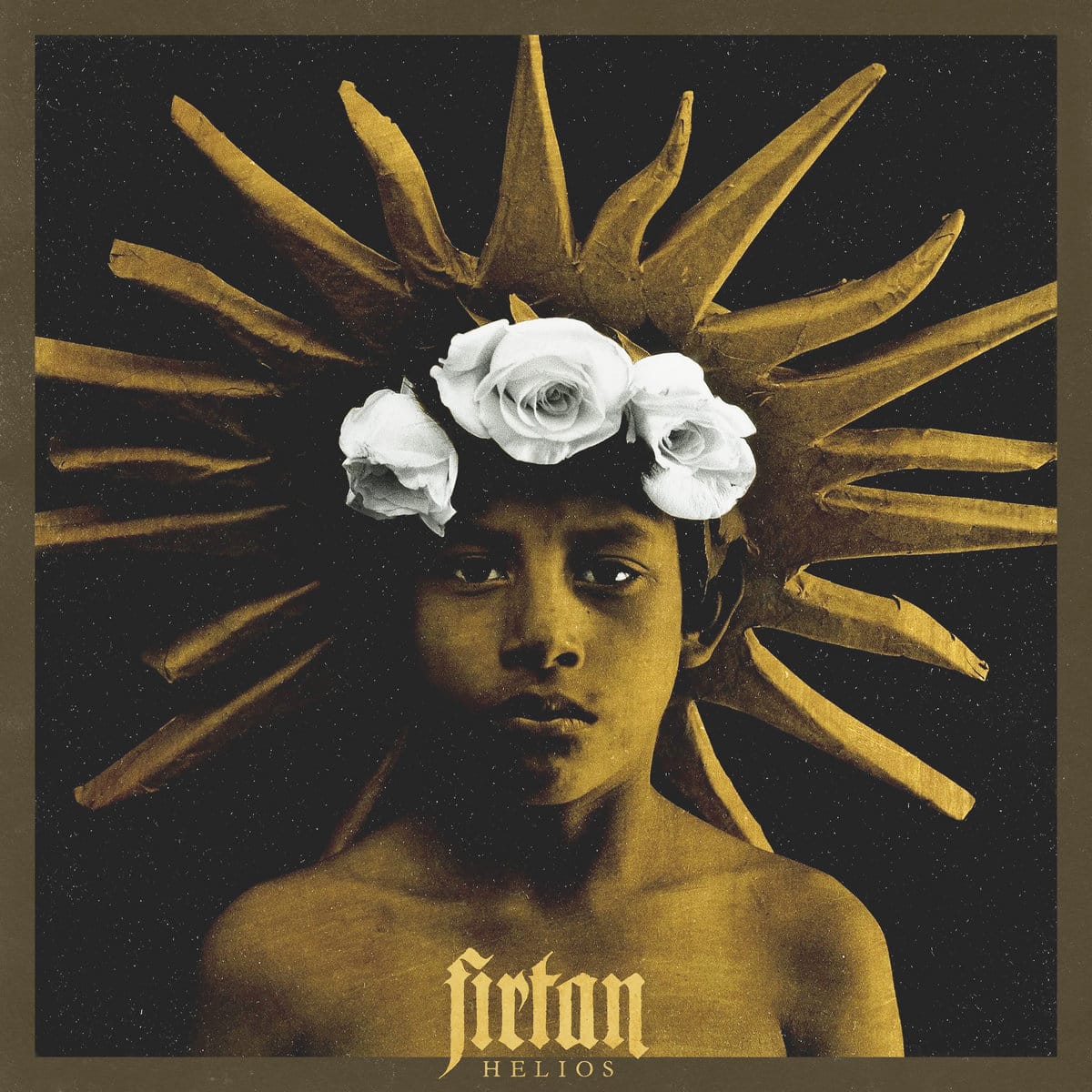
I’ve been following now-German sextet Firtan with intermittently bated breath since my first encounter with 2018s Okeanos. Firtan’s music is firmly rooted in icy black metal, but find sit’s most arresting foothold when the band’s progressive and symphonic leanings join the furious fray. While cuts like “Seegang” and “Uferlos” (2018), “Amor Fati’and “Peraht” (2022) and “Hrenga” (2024) showed glimpses of a ravenous yet poised and grandiose talent on each of their past three albums, Firtan have yet to write an album that sweeps me away as a whole.
On their previous three releases, many excellent tracks or movements felt like sweeping vista’s being crammed into the corners of an overcrowded tableau. Arresting and immediately memorable, but ultimately groaning under the weight of overindulgence or less memorable surrounding compositions. Helios, while by no means a stark departure from their established sound, does show Firtan taking steps towards greater consistency and a more measured style of blackened metal.
Abandoning some of the slavering hunger and much of the speedy outbursts present on previous albums, they opt for a more doom and death metal inspired soundscape, drawing parallels to particularly Schammasch. While this approach works well to keep songs more focused, it also exposes their sometimes unnecessary length,and makes the album sag under an entirely different but no less noticeable weight at times. Slowing down does allow both acoustic elements and some of the more death/doom oriented riffing to shine. “Kalika’s Tongue”, “Solis Currus”, “Helios” and “The Hierophant” show the shining promise in Firtan’s new approach, and if they reintroduce some of the wilder aspects from earlier releases and intertwine them with the patience and focus on display on Helios, their next release may very well live up to the expectations that I’ve been quietly carrying around since I first heard that inimitable riff of “Seegang”all those years ago.
Temic – Ceiba
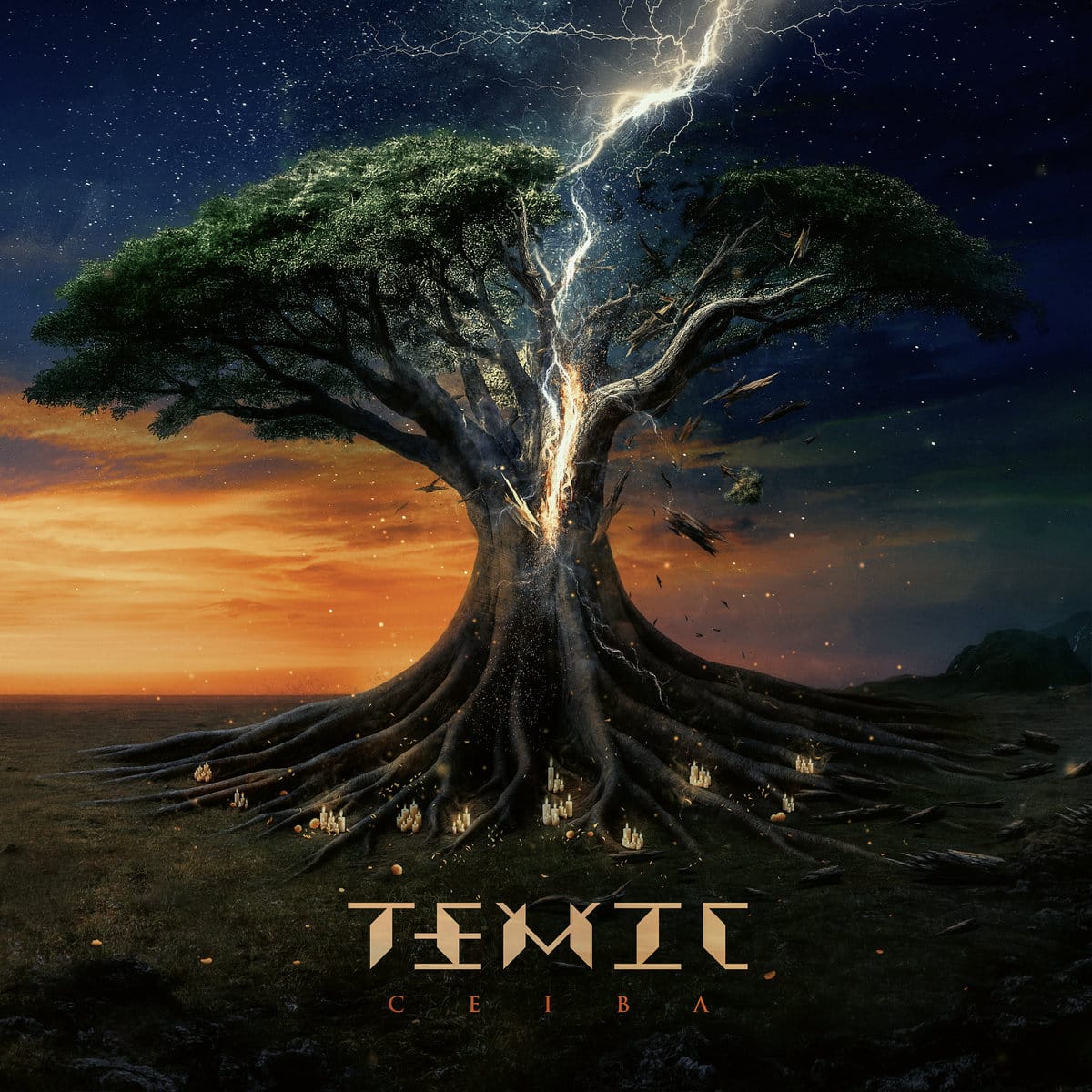
It’s been a while since I’ve written about an album so ingrained in heavy, modern prog (metal) as this one. Those roots come as no surprise when reading of the associated pedigree that comes with this relatively young and unheralded super-group. Featuring (ex or current) members of Devin Townsend, Mike Portnoy’s Shattered Fortress, the Neal Morse Band, Haken, Shining (Nor) and Maraton is a serious endorsement. Prog super-groups, however, are also notoriously prone to writing indulgent if not masturbatory escapades of soulless technicality. Fortunately, Temic manage to avoid this latter pitfall. While the occasional keyboard or guitar solo can test my patience, the album (at least for a prog metal album) is generally well paced and only features one 10-minute-plus song.
In terms of influence, it’s mainly (older) Haken that springs to mind, as well as Leprous, Votum, Kingcrow and perhaps Caligula’s Horse. Somewhat ironically, the album’s less than polished vocal delivery might afford it most of its more obvious unique character. Had those rougher, accented edges not been present, I might have given up on the album before reaching its halfway point. That’s not to say it's bad by any means, I’ve just heard too many permutations of this particular style of prog to be easily impressed.
Sticking around for the latter half of the album proves more interesting, with longer compositions less focused on generic heavy prog riffs and more of the charming melodicism and sweeping climaxes that elevate Temic above the sum of its well worn parts. “Casting Stone” and “See Myself” get the ball rolling, and momentum carries the album through to “Alone” and obligatory long and ambitious closer “As Long As We Last”, which drifts towards Southern Empire’s criminally underrated Civilisation in tone and mood (if not in song length). Ceiba is a good and occasionally great progressive metal album, just don’t expect to be blown away if you’re familiar with the style.