Visual Kei (or "Visual Style", pronounced "Visual Kay") refers to both an entire scene and a music genre. It represents and informs both how a band looks and how they sound. The visual aspect blends elements of punk, goth, glam, emo and Harajuku fashion together, while the music itself runs the gamut from, glam, goth, alt rock, post punk, nu-, black-, hair-, power- and prog metal, all the way to deathcore and dance pop. Throughout all these tangents though, remains a through-line that can be traced back through a tradition that began in Japan's '80s glam rock scene and transformed—and transgressed—though goth and alt rock in the early '90s and on into the more extreme and experimental territories it occupies today.
Perhaps it is easiest to think of it as analogous to genres like "goth" or "emo" that describe a scene more than a style, yet are still useful to communicate a general sound and aesthetic and which adhere to a continuous and ever evolving tradition—although, like the latter, it has also has largely come to imply the involvement of some seriously swoopy and often brightly coloured fringes. These looks have also evolved over the years, beginning as extravagant exaggerations of 80 glam and hair metal get-ups, through flamboyant and often androgynous aristocratic outfits, to twisted goth nu metal industrial fetish gear and more subtle, stylish fashions in modern era.
I am hardly an expert in such things, but the genre has recently (re)captured my interest, so I reached out to the Heavy Blog Discord's resident music-weeb Dan Moriarti, who this post has been written in collaboration with. Dan was first drawn to visual kei (as most are) via his love for anime and a desire to listen to music that was truly “out there”. At first it was more of a novelty, but over the years has grown into a genuine obsession, to the point where his listening habits almost exclusively consist of J-rock, J-pop, Japanese folk, and, of course, visual kei.
With this post we have endeavoured not to recommend or define an authoritative list of the "best" visual kei album, but rather give an overview and offer inroads to its many different guises. The first "Essential Starting Points" sections covers an assortment of subgenres, from nu/alt metal, through baroque prog, hair metal, alt goth and even symphonic power metal. The following "Next Steps" section is a bit more uniform in its recommendations, offering a selection of quality cuts from visual kei's more modern and extreme incarnations (although we also find room to slip in some softer indie/art-prog while we're at it), while the final "Further Listening" section offers an array of possible next steps, depending on your preference, arranged in chronological order for your perusal.
Essential Starting Points
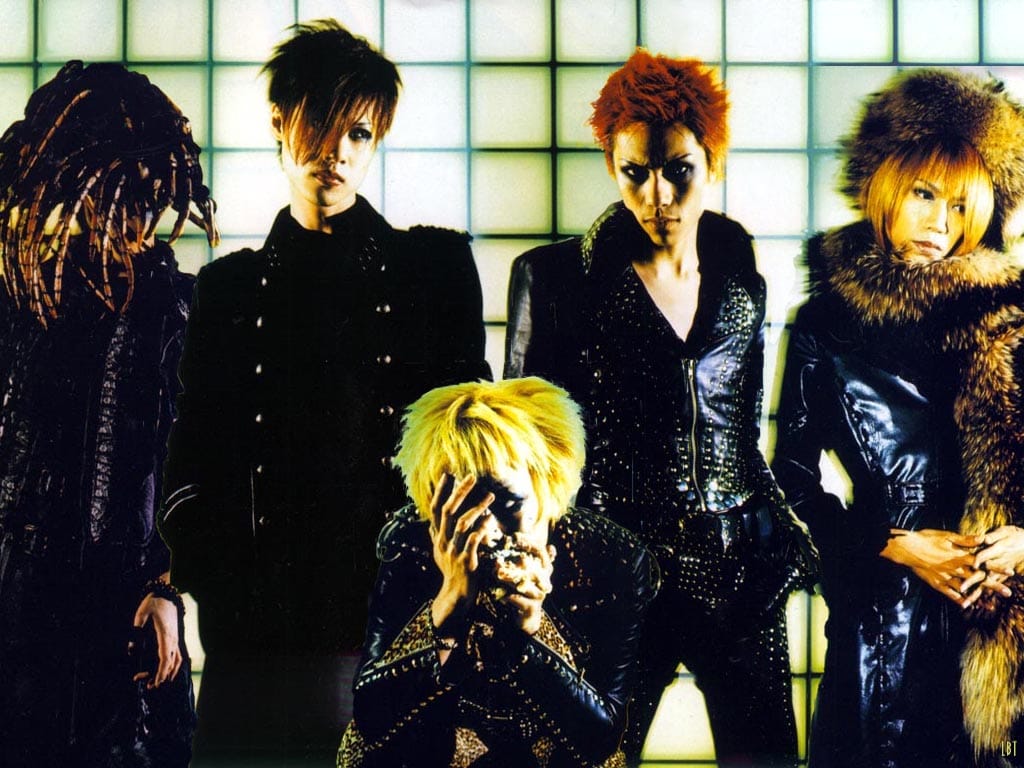
Dir En Grey – Withering to Death (2005)
If you’ve only ever heard of a single visual kei band, it’s probably Dir En Grey—and for good reason! Not only are they the most popular and influential visual kei band, but they are also undoubtedly the best. They also exemplify the inherent unclassifiability of the genre, if only via the paradoxical quality of having defined it. Formed in 1997, Dir En Grey (whose name means "The Silver Coin" for no particular reason) began as fairly conventional visual kei outfit, following in the footsteps of earlier bands like X Japan, Buck-Tick, and Kuroyume, while also bringing in more modern, metal-influenced sounds. Ironically, they were one of the first visual kei bands to sing (and scream) entirely in Japanese, and were already turning heads with their earlier nu metal-influenced albums and frontman Kyo's impressive and often unhinged vocal gymnastics. From there though, they quickly evolved into a more expansive outfit, becoming the much heavier, more progressive and harder to pin down act they are today, while also becoming the definitive turning point within the visual kei tradition, from which all subsequent significant VK can be said to have sprung.
Though highly regarded within their discography, Withering to Death probably isn't be Dir En Grey's best album. For that you'd have to either go back one to the unhinged, nu metal onslaught of Vulgar (2003), which includes their most well-known song "Obscure", whose infamy (and the band's own) was propelled by a particularly disturbing, abortion-themed video clip, which definitely makes bands like Marilyn Masnon and other popular shock rockers of the time look pretty tame; or jump ahead a few records to the full-on embrace of progressive metal on 2008's Uroboros and the other albums that followed. What makes Withering to Death a good starting point though—for both DEG and VK as a whole—is that it is also one of their more accessible and varied offerings, giving a good overview of the different aspects of their signature sound, without going off the deep end into potentially alienating chaos (although. in the end, that may just be the point).
Just as DEG themselves are a turning point in the VK genre, Withering is a turning point in their discography, signalling their transition from a primarily nu metal-based sound toward textures more accurately characterised as alternative or progressive metal—all led by Kyo’s various shouts, screams and howls. On its surface the album is a fairly straight forward alt rock or post-hardcore outing, but there's much more to it than that, with the album also taking a departure through goth rock and screamo for good measure. These later genres are embodied on the album's trademark track, "The Final", which is the only song from the album that they made a (disappointingly tame) video for.* The song is a nu metal-tinged, goth, suicide anthem, that might be easy to write of as VK's answer to Papa Roach's "Last Resort", if it weren't for Kyo's serene and soaring vocal delivery, that brings the song more in line with the likes of AFI or early My Chemical Romance. Elsewhere, the album offers up heavier fare, in the form of "Merciless Cult" and "Saku" ("New Moon"), along with plenty of dramatics on tracks like "Itoshisa Ha Fuhai Nitsuki" ("With Decay Comes Loveliness"), "Higeki Ha Mabuta Wo Oroshita Yasashiki Utsu" ("Tragedy Is the Sweet Melancholy That Lowered My Eyelids") and odd combinations of Japanese noise punk and bouncy garage rock on "Machiavellism".
Withering to Death was also the album that saw Dir En Grey brake into the Western mainstream, with Korn taking them out on the 2006 Family Values tour, alongside heavy hitters like Deftones, Stone Sour and also Flyleaf. For many, it's the definitive visual kei album and easily one of the most important, even if only represents the beginning of what Dir en Grey and the rest of the genre would become in its wake.
*I prefer the re-recorded version from their 2013 EP The Unravelling.
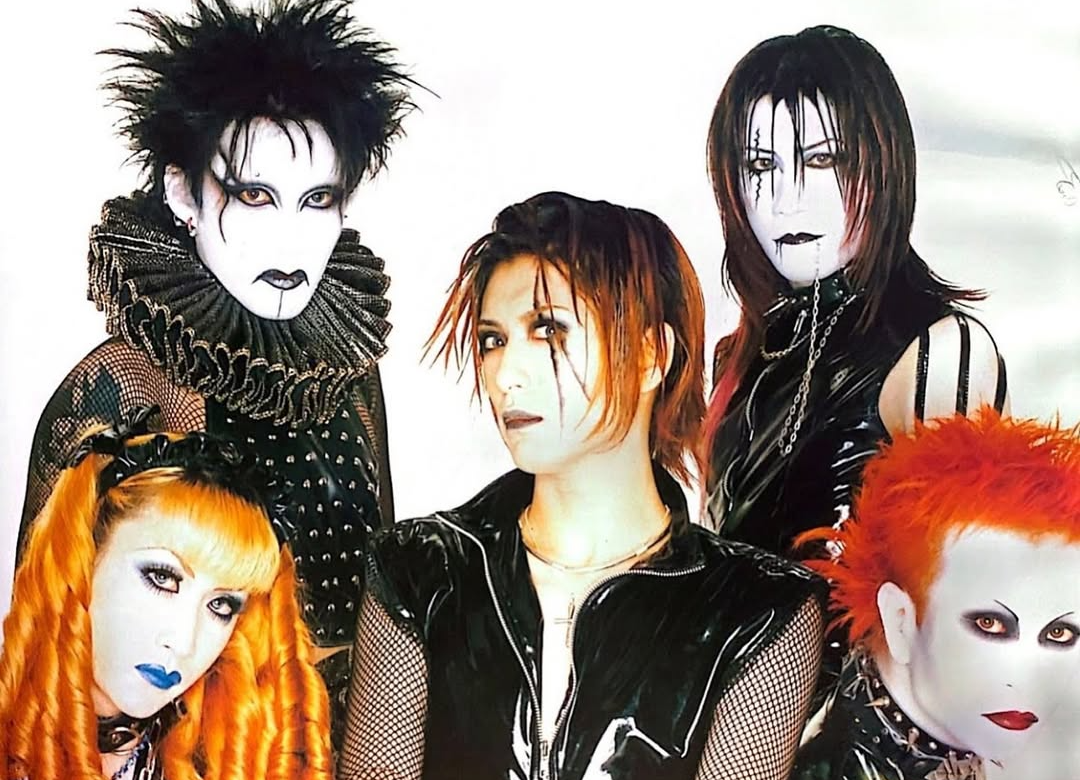
Malice Mizer – Merveilles (1998)
Dir en Grey may have defined modern visual kei's sound, but it's Malice Mizer who are largely responsible for how it looks—that is them up top on the banner, after all. They are one of the biggest and most influential bands of visual kei's second wave, becoming well known for their gender-bending, fetishistic French aristocrat image and extremely elaborate live shows with huge set pieces and several costume changes. Their most famous singer Gackt (who performs on this album) has served as the inspiration for numerous video game characters, including Genesis Rhapsodos in Final Fantasy VII: Crisis Core (2007), Lau Wong in Bujingai (2003), Nikki in Chrono Cross (1999) and probably the original Final Fantasy VII's Vincent Valentine as well—having provided the theme for the character's spin-off Dirge of Cerberus (2006)—and going on to become a prolific film and voice actor as well. Their guitarist, Mana is a fashion icon in his own right even has his own "gothic lolita" fashion line Moi-même-Moitié.
Although always excessive, the band's sound and aesthetic was pushed to its highest limits with their third album Merveilles (French for "Wonders"), having evolved from the more straight-forward goth rock and synth pop of their earlier albums into a bombastic blend of baroque pop, symphonic power metal, industrial electronica and prog rock. As that description suggests, the album veers wildly from tracks like electronic S&M carnival canto "Illuminati" to more rock-inclined fare, including Dan's favourite "Bel Air", which has been noted for its introduction of European power metal aesthetics into the visual kei sound and which is perhaps the closest Malice Mizer come to professing pure prog-rock/metal.
Merveilles' sonic madness is only exceeded by its accompanying live show (below), which begins in a flurry of industrial fetish gear, following an orchestral overture—like some kind of bondage carnival-disco. It doesn't stay still for long though, transitioning through several sound, costume and set changes, including but not limited to:
- A horror-sacrifice sequence that wouldn't seem out of place in the latest Lady Gaga show
- The re-emergence of the band in their trademark androgynous aristocrat/baroque court jester outfits (which are certainly striking, if nothing else (although I must admit the Victorian moppet is a bit much...)
- A beautiful piano and drum duet between Gackt and drummer Kami
- A psychotic bass-freakout, courtesy of Yu~ki (who always steals the show)
- A Euro-pop disco song, whose melody reminds me a lot of "Flowers" by Miley Cyrus, but also something else that I can't quite place
- And the final rebirth of the band as a bedazzled brigade of butterfly devils, demonic bats and vampiric fallen-angels.
Merveilles is Malice Mizor's grandest achievement, and very much a defining statement in both their discography and visual kei as a whole. It was also almost the final statement of their career, with Gackt leaving the band the following year to pursue a successful solo career, and Kami becoming a member of the notorious "27 club" shortly after, due to a brain haemorrhage.
Malice Mizer's story does not end there, however. The band went on to release one more album called Bara no Seidou (2000) with new singer Klaha, which turned towards a more neo-classical, goth and even industrial sound, especially their final album. The live show for that record matches (and arguably exceeds) Merveilles' spectacle by featuring an entire on-stage cathedral. Their material is not readily available on many streaming services and can be hard to track down, but it is worth witnessing at least once, since Malice Mizer must truly be heard and seen to be believed.
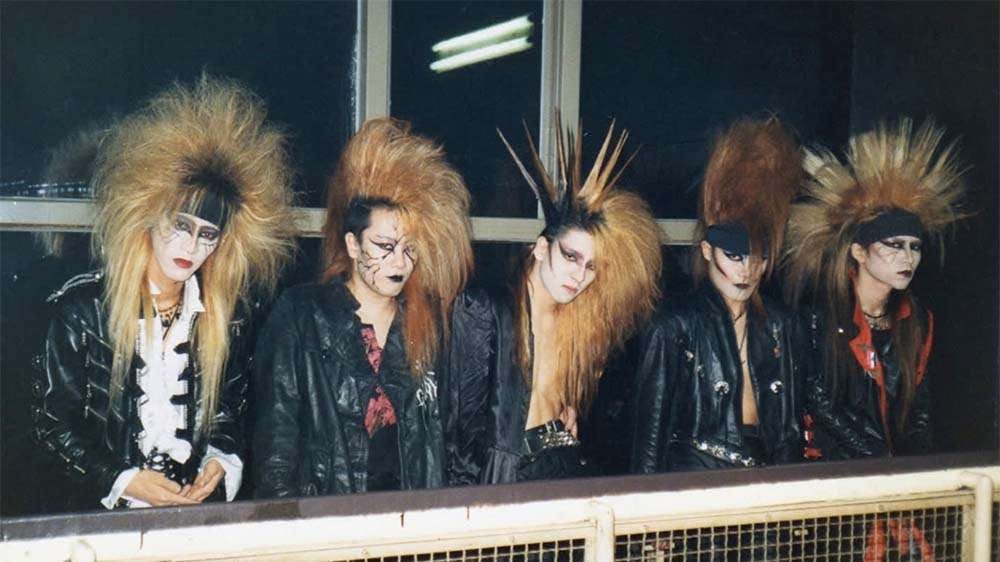
X Japan – Blue Blood (1989)
If you've only heard of two visual kei bands, then you've probably also heard of X Japan, who weren't necessarily the first VK band, but were by far the biggest and most influential name in the scene before Dir En Grey showed up. X Japan are often credited as Japan's first mainstream rock band, with only their more conservatively dressed contemporaries in Loudness providing any real competition to the claim (and likely edging them out by having actually gotten their music to print a lot sooner). The two band's sounds are fairly similar though, blending American-style speed, thrash and glam metal, amid a mix of mix of English and Japanese lyrics—except that X Japan were so much bigger and more dramatic, in every way, going on to sell over 30 million records, inspire a genuinely fanatic following and arguably found visual kei in the process.
Despite starting out in 1982—as simply X—it took until 1988 for X Japan to put their first album out and the band were at the peak of their powers a year later with their second album Blue Blood, whose extravagance is exemplified by penultimate, eleven-minute, speed-thrash epic "Rose of Pain" which cranks up the sonic intensity to match their overblown image. The band went on release three more albums over the subsequent seven years, before disbanding then reuniting a decade later with Luna Sea guitarist Sugizo (see below) and hitting the nostalgia circuit—including a 2014 Coachella set that saw them joined by Fortus and Limp Bizkit's Wes Borland of all people (whose image is heavily VK-influenced and has also played a bunch of other shows with them state-side). Even if you're not a fan of their sound, it's definitely worth watching the 2016 documentary We Are X, to get a good idea of the band's story, which contains more dramatic twists and turns than a Malice Mizer concert—including the unexpected (and rather Michael Hutchence-esque) suicides of guitarist Hide ("He-day") and original (disgraced?) bassist "Taiji", as well as the literal, actual brainwashing of vocalist Toshi by an abusive cult.
The influence of Western rock trends upon X Japan is obvious, but the influence goes the other way as well. Most notable is ballad "Endless Rain", which some (though not nearly enough) people have pointed out bears a striking resemblance to Guns n' Roses mega-hit "November Rain", both in sound and visual aesthetics—with later GnR guitarist Richard Fortus (Love Spit Love, The Dead Daisies, BT) often performing the vocal melody from the song as part of his solos (alongside, uh—checks notes—Christina Agulera's "Beautiful"), and there is also some contention around Guns n' Roses "Yesterdays". It's easy to see why X Japan caught the attention of American music and marketing moguls like Kiss's Gene Simmons and Marvel Comics' Stan Lee, and less why they never caught on sooner.
Dan doesn't really like these guys, outside of hummable Helloween-sounding speed metal song "Kurenai" ("Crimson") and Hide's solo band, uh, Spread Beaver's song "Pink Spider", which makes the Borland connection a lot clearer. Nevertheless, he—like everyone else—recognises how important they are. These days, X Japan are kind of like the Iron Maiden of Visual Kei, in that they don't really sound anything like the modern genre they helped inspire, but remain both foundational and infinitely influential, and anyone who wants to understand or get into visual kei or any kind of Japanese metal needs to check them out.
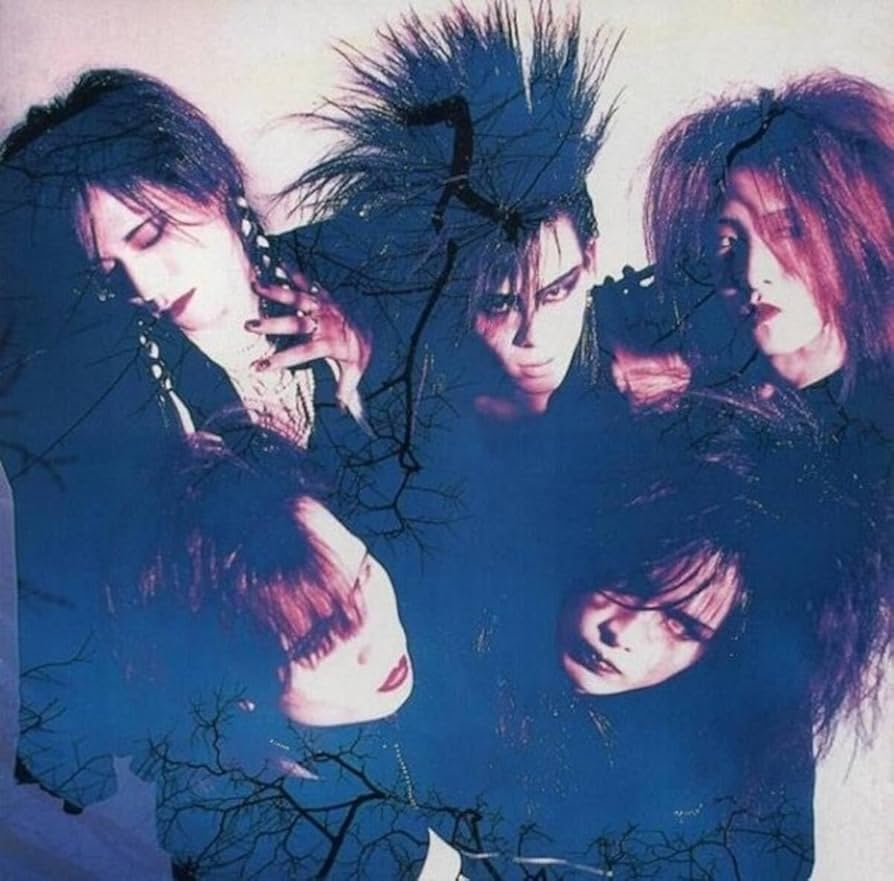
Luna Sea – Mother (1994)
Luna Sea (get it?) don't look that similar visual kei bands of their era, but they became big around the same time as first-wave bands—constituting a quarter of the genre's original "Big 4", alongside L'Arc-en-Ciel, Buck-Tick and X Japan, who their guitarist Sugizo ("Sug-zo") now plays guitar for. Within the visual kei tradition, they represent the sound's split into Japanese rock (as opposed to metal), with Mother serving as the genesis point for all the J-rock Dan listens to today. Lead singer Ryuichi Kawamura's weirdly warbled vocals, along with Sugizo's catchy string melodies and superior solos form the centre of Luna Sea's sound, which otherwise more heavily from alt rock, goth and punk than the bands we have explored so far,
Indeed, the cover of Luna Sea's first, self-titled album (1991) (above) has them looking like a mix of Crashdïet and The Cure. It is on fourth album Mother, however, that the band arguably perfected their style—blending punk, prog rock, goth and post punk into a sound that is wholly theirs. Standouts include the anthemic "Rosier" and "True Blue" with their catchy choruses and largely English lyrics, which perhaps provide easier access to non-Japanese-speaking listeners. The band's subsequent record, Style (1996), also continues the sound established on Mother to a composable quality—so much so that Dan usually listens to both albums together, with his favourite song from the later record, "End of Sorrow", sounding like it could have easily slotted into this earlier album as well.
Mother and Style are decidedly less metallic albums than a lot of what is on offer here, but it's still well worth listening to—from front to back if possible. While Dan thinks of the album as a collection of standalone standouts, I found Mother made a lot more sense as a whole, creating a mood reminiscent of early Cult albums, or a more melodic, mid-period AFI. It's a refreshing change of pace that shows how visual kei can remain appealing while also understated.
Matenrou Opera – Mutsu No Hana (2024)
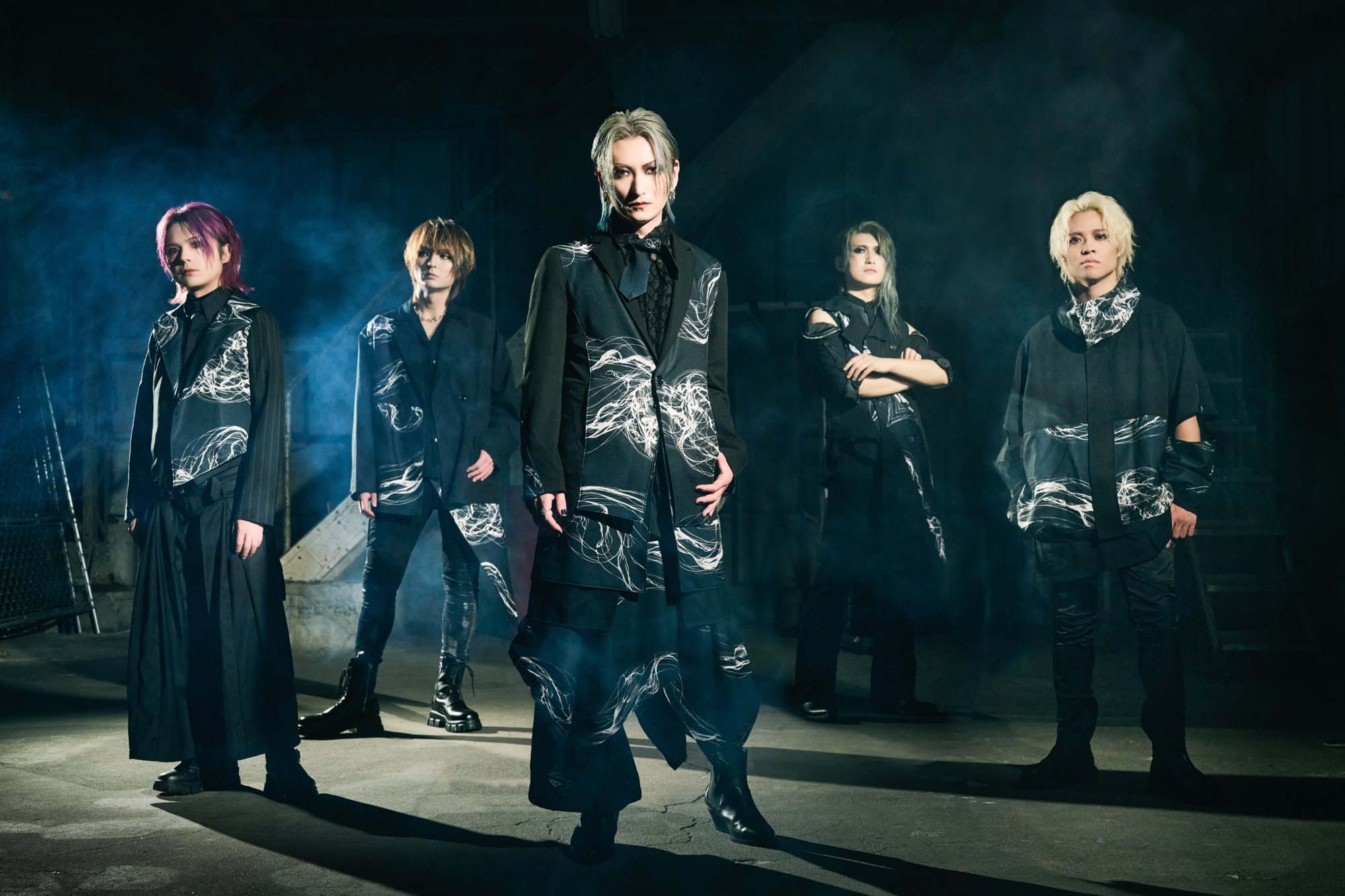
Moving into more modern and metallic territory for our final first-draft, Matenrou Opera ("Skyscraper Opera") have been together since 2006 At first, they were an indie band that played the same metal meets J-rock variant of visual kei as many others in the scene, but came into their own as a symphonic/power metal band midway through their career. Their sound may be rather different to that of mast visual kei bands, but their look remains relevant and they have forged a reputation for themselves as one of Japan's hardest working bands, through extensive touring and collaborations with numerous other visual kei bands, including Versailles and D.
Mutsu No Hana ("six-pointed star", or "snowflake"), is their most recent record, and also maybe their best. It starts off in more extreme, symphoninc-goth territory, with opener "Blood" sounding like something from a mid-period Cradle of Filth record, before settling into a more traditional, symphonic power metal sound as it progresses. While its overall aesthetic will be familiar to Western listeners the album also stands apart due to its distinctly Japanese melodies. Dan’s favourite track, "Yoakehayukitotomoni" is punctuated by Anzi's soaring guitar melodies, Sono's vibrant vibrato vocals and Hibiki's enthusiastically driving drums, and is at its best (as are most Matenrou Opera songs) when Anzi's guitars and Ayame keyboards really lock in together—Yo's bass is also there).
While Mutsu No Hana is probably a bit long, it's hard to complain when it's all of this high a quality, and the album will likely serve as a more accessible entry point for Western metal maniacs. If you like what you hear (uh...) here, then you might also want to check out Matenrou Opera's previous album Shinjitsu Wo Shitte Iku Monogatari ("A Story of Learning the Truth") (2022) , or the track "Rainbow", from 2019's Human Dignity, which are also likely more translatable to Western audiences. Power metal maestros would also do well to check out the symphonic stylings of Unlucky Morpeus, while fans of this album's earlier, heavier offerings may find further success with Sadie, who bring in more of Dir En Grey's heavier, frenzied approach to their symphonic goth sound.
Next Steps
Dir En Grey – Dum Spiro Spero (2011)
If Withering to Death is Dan's DEG entry-point pick, then Vulgar or Dum Spiro Spero ("While I Breathe, I Hope") are mine–especially if you enjoy the more extreme side of things. You really can’t go wrong with any Dir En Grey album, but Dum Spiro Spero is particularly important in that it is by far the band’s heaviest, while also being one of their most experimental.
The album's sound is characterised by a thick, heavy mix and down-tuned, seven-string riffs. From the first track "Kyoukotsu No Nari" ("Blossoming Beelzebub"), you are taken on a weird, meandering journey, with Kyo seemingly showcasing all of his extensive vocal tricks at once. Then you get taken into lead single "Different Sense", which sounds like if Suicide Silence suddenly learned how to play their instruments really, really well. The track also harks back to the more confrontational days of "Obscure", with lyrics centred around suicidal, social alienation and an accompanying video (below) featuring some extremely graphic and disturbing tentacle-erotica/assault scenes from adult anime Mahou Shoujo AI San (2009) ("sexy magical girl AI"),* and is as intense a song as Dir En Grey (or any Visual Kei) band have ever written. Hell, even the "ballads" like nu-metal banger "Lotus" are heavy!
Dum Spiro Spero is sandwiched between Dan's two favourite Dir En Grey albums, Uroboros (2008) and Arche (2014) and the band would go on to experiment with even more expansive sounds on the subsequent albums that might appeal more to pure prog fans. As far as the more extreme side of Visual Kei goes, however, this album simply can't be beaten.
WARNING: Extremely NSFW!
*...aaaand I forgot to open a private tab before I Googled that.
Deviloof – Dystopia (2021)
Continuing upon a more extreme trajectory, Deviloof are another band who will definitely appeal to deathcore fans being more or less the direct descendants of what Dir En Grey were doing on Dum Spiro Spero. Their sound is characterised by the usual deathcore combination of extremely heavy breakdowns, pig squeals and shrieks, along with an unnerving and extravagant visual kei aesthetic and some tasty fretless bass to spice things up as well.
While Deviloof’s earlier, more hip-hop influenced outings are probably best avoided, Dystopia is a pure deathcore album (with the exception of nu metal banger “Song for the Weak”, which Dan does not like, but I kinda do…). They're a band who constitute the furthest reaches of modern visual kei extremity and who would also fit in well alongside leading American acts like Brand of Sacrifice and Lorna Shore. Indeed, Deviloof’s in-your-face extremity has already caught the eyes and ears of notable metal YouTuber Nik Nocturnal. They might seem tailored to current deathcore trends and YouTube screamer reactions, and it's hard to believe that Deviloof are even in the same ballpark, let alone "genre" as some of the other visual kei bands mentioned here. Nevertheless, there is a long tradition of this sort of thing, going back to songs and videos like Dir En Grey's "Obscure" and "Different Sense", with the members of Deviloof—like all VK bands—listing them and X Japan among their biggest influences, alongside Western metal acts like Megadeth and Gamma Ray, and also Elvis Presley, because sure, why not?
Plastic Tree – Ink (2012)
Plastic Tree have been together since 1993 and are highly regarded by both visual kai fans and other bands in the scene. Like Luna Sea, they are another band who don’t immediately scream visual kei when you look at or listen to them, having started out as something of a noise rock band and becoming more increasingly influenced by indie- and alt rock-leaning acts like Radiohead and The Cure across the sixteen albums they have put out since the early '90s. Nevertheless, hey remain extremely important and influential to other visual kei bands and are simply another example of how expansive the genre can be.
They primarily blend alternative rock, shoegaze, electronica, dream pop and garage punk together—all of which is present on their 12th album Ink, which was released at the tail-end of 2012. It's an album that Dan listens to all the time, starting with its outstanding title-track and progressing through highlights like "Piano Black", with its dreamy vocals and swirling arpeggio synth; and "Life is Beautiful", which features well-thought-out (translated) lyrics like "Sorrow is still beautiful, forever untouched Like gazing at a bouquet of withered flowers But whenever the night as dark as your eyes arrives, It’s another blackout, blackout". Plastic Tree might not appeal to exclusively heavy metal or deathcore fans, but if you like this, then their recent, self-titled album from 2024 is another strong offering that continues Ink's indie/garage/dream-pop sound to a similarly high standard.
Sukekiyo – Ius Cerebri (2024)
Sukekiyo is a side project that Kyo of Dir En Grey started with members of several the other high profile visual kei bands. This makes them kind of like the Japanese A Perfect Circle to Dir En Grey’s Tool. The comparison works for their sound as well. While Dir En Grey might not sound much at all like Tool—outside of some of the rhythmic and tonal progressions on Uroboros—Sukekiyo readily recalls Maynard's mellower menagerie through their masterful blend of progressive/art rock and alternative metal.
Sukekiyo is part of a double-disc compilation, along with Sinistro Cerebrum (2024), containing best tracks from the four albums Sukekiyo have released so far. While Sinistro Cerebrum celebrates the weirder, more avant garde side of their sound, Ius Cerebri showcases the softer, more accessible side of their sound. Kyo’s vocals are obviously the star, with Sukekiyo allowing him to show off more of his cleaner singing, rather than relying on his shocking screams so much. However, he is also accompanied by equally masterful performances courtesy of guitarist Uta (9Goats Black Out [sic]), guitarist/keyboardist/composer Takumi (Rentrer En Soi), bassist of Yucchi (Kannivalism) and drummer Mika (also Rentrer En Soi). Mellower doesn't mean less versatile though. Dan's favourite Sukekiyo song, "En", is a melodic prog rock number with a lot of piano, as is the stirring "Hakudaku", which should appeal to Opeth and Mars Volta fans alike. Meanwhile, "Candis", "Moan" and "Dorothy" are poppier, synthier offerings. Dan listens to Sukekiyo as much as he does Dir En Grey or Plastic Tree these days, and it's easy to see why. Just don’t listen to radio edits!
Madmans Esprit – 나는 나를 통해 우리를 보는 너를 통해 나를 본다 ("I See Myself Through You Who See Us Through Me") (2022)
Just when it doesn't seem like there are any more boundaries to push, South Korean black metal act Madmans Esprit dare to question whether visual kei even has to be Japanese—or even South Korean for that matter. Main (and for a long time only) member Kyuho Lee (also of earlier and far more Radiohead-influenced VK band Ms. Isohp Romatem) lived for a long time in Germany during the project's early years, where he also fronted progressive metal band Human Traces. These experiences left Lee fluent in that country's language, along with Japanese, English and Korean—all of which he switches between for Madmans Esprit, sometimes within the space of a single track.
Again, Dir En Grey are the biggest and most obvious influence in play here, but their sound is much more expansive and refined than most other VK bands of their ilk. Madmans Esprit self-describe as "depressive suicidal blackened pop", which sounds about right, even if the "pop" aspect is highly debatable. There's also a distinctly nu metal influence to their style, with much of their lengthily titled third album bringing to mind a more blackened version what Tallah have been doing lately. Despite the global dominance of K-Pop, South Korea doesn’t seem to have a particularly prominent (or at least far-reaching) metal scene. Perhaps Madmans Esprit will finally put them on the map—or just blow it up altogether.*
*The map that is, not South Korea, which I wish a long and prosperous future.
Further Listening:
Dead End – Ghost of Romance (1987)
Buck-Tick – Darker than Darkness (1993)
L'Arc-en-Ciel – Ark / Ray (1999)
Kuroyume – Fake Star (1996)
Pierrot – Finale (1999)
Exist Trace – Ambivalent Symphony (2009)
D – Vampire Saga (2011)
Versailles – Holy Grail (2011)
Nocturnal Bloodlust – The Omnigod (2014)
Lynch. – D.A.R.K: In The Name of Evil(2015)
The Gazette – Dogma (2015)
Girugamesh – Chimera (2016)
Unlucky Morpheus – Change of Generation (2018)
Mucc – Aku (2020)
Petit Brabancon – Fetish (2022)
Dimlim – Dimlim (2022)
Deadman – In The Direction of Sunrise and Night Light (2022)
Imperial Circus Dead Decadence – 殯-死へ耽る想いは戮辱すら喰らい-彼方の生を愛する為に命を讃える (2022)
Sadie – The Revival of Darkness (2024)
Jiluka – Xndii (2025)